Musical Journey · 2026-08-25 · 6 min read
Medha Vidyabhushan: An Official Listening Guide to Devotional Recordings
An unranked, source-backed way to explore five official Medha Vidyabhushan recordings through listening contexts, lyric pathways, and direct original sources.
Quick Facts
- This page groups verified first-party listening links by a visitor's likely goal.
- Public view figures are dated snapshots rather than permanent totals.
- Song meaning, raga, and tradition guides are linked as optional next steps.
In brief
- This is an unranked navigation guide to five recordings published on Medha Vidyabhushan’s official YouTube channel.
- Each selection begins with a listening context, not a claim that it is a definitive or superior performance.
- Original sources, lyric guides, and related listening pages are linked throughout so that listeners can follow their own path.
Table of Contents
- [Start with a Listening Question](#start-with-a-listening-question)
- [Five Official Recordings, Five Starting Points](#five-official-recordings-five-starting-points)
- [A Three-Pass Way to Listen](#a-three-pass-way-to-listen)
- [The Recordings as Distinct Paths](#the-recordings-as-distinct-paths)
- [Keep the Source Close](#keep-the-source-close)
- [Where to Continue](#where-to-continue)
- [A Guide for Returning](#a-guide-for-returning)
Start with a Listening Question
An official recording can be a generous first doorway into Carnatic and devotional music. It gives you a real performance to return to, a visible source, and enough time to listen without having to decide everything at once. The useful question is not “which recording is best?” It is what would you like to hear more clearly today?
This guide groups five original Medha Vidyabhushan recordings by listening context. It is not a ranked list, a review of quality, or a substitute for a teacher’s guidance. The source links lead to the original public videos, while the companion pages add lyric, tradition, and learning context where it is available.
Five Official Recordings, Five Starting Points
| If you would like to begin with | Official recording | A simple first listening question | Go deeper with |
|---|---|---|---|
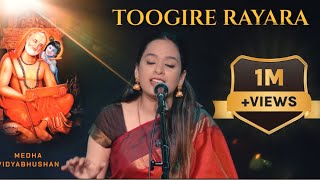
| A long-form concert setting | Toogire Rayara | Which returning phrase stays with you after the first listen? | Performance listening guide |
| A name that gathers a refrain | Hari Narayana | How does the title phrase change when it returns? | Meaning guide |
| A gentle devotional entry point | Eesha Ninna Charana Bhajane | Which word or image makes you want to listen again? | Sahitya and meaning guide |
| A Purandara Dasa pathway | Marulu Maadikondeyalle | What changes in your attention when the lyric returns? | Purandaradasa context |
| A familiar devotional composition | Jagadodharana | Where does the line feel calmest or most settled? | Dasarapada guide |
The order in this table is a set of listening situations, not a hierarchy. You can begin anywhere. If one recording does not meet your present mood or curiosity, move to another and return later.
A Three-Pass Way to Listen
The fastest way to lose contact with a recording is to demand too much from the first pass. Try a small sequence instead.
First pass: stay with the whole recording
Listen without stopping. You do not need to identify the raga, tala, composer, or every lyric. Notice one moment that makes you want to return. It may be a phrase, a word, a pause, or the general atmosphere of the performance.
Second pass: follow one return
Choose a line or phrase that comes back. Let that return become your anchor. This is a practical way to hear form without turning listening into an exam. If you want vocabulary for what you are hearing, keep the Carnatic glossary nearby, then return to the sound.
Third pass: add context only when it helps
Read a linked meaning or tradition guide after you have heard the recording once or twice. Context should make the next listen more attentive, not replace the music with facts. The Sahitya Deep-Dive Cards offer another route from a recording toward lyric context.
The Recordings as Distinct Paths
Toogire Rayara: return to one concert phrase
Toogire Rayara is a useful place to start when you want to sit with a longer performance. Do not attempt to copy every movement. Listen for the phrase that feels most recognisable, then use the performance listening guide to take that return further.
Hari Narayana: hear a name become a refrain
In Hari Narayana, start with the title phrase and allow it to become familiar. The Hari Narayana guide separates performance listening from lyric context, so you can choose the kind of attention you need.
Eesha Ninna Charana Bhajane: begin with a lyric image
Eesha Ninna Charana Bhajane can be a welcoming entry when you want to connect a devotional image with a recorded performance. The linked meaning guide offers context after you have formed your own first impression.
Marulu Maadikondeyalle and Jagadodharana: broaden the Haridasa path
Marulu Maadikondeyalle and Jagadodharana can take you further into a Haridasa listening path. Use the Devotional Music Traditions hub to connect these recordings with Dasarapada, bhajan, and namasankeerthanam context. The point is not to collect songs quickly. It is to give each return enough room to mean something.
Keep the Source Close
The official recording pages are the primary source for the performances named here. They tell you what was actually published, and they allow you to listen without relying on an unsourced summary. This guide adds editorial listening prompts around those sources. It does not claim that any recording is objectively better than another artist’s work or that view counts establish artistic rank.
Watch the official YouTube video
Where to Continue
After one or two focused listens, choose your next path rather than opening every recording at once.
| Your next question | Helpful destination |
|---|---|
| What do terms such as raga, tala, or sahitya mean? | Carnatic basics |
| How do devotional song traditions connect? | Bhajan, Kirtan, and Dasarapada guide |
| How can I listen as a Carnatic beginner? | First Lessons path |
| Where do these sources come from? | Reference Library |
Frequently Asked Questions
Is this a ranked list of Medha Vidyabhushan’s best recordings?
No. The guide is deliberately unranked. It groups official recordings by listening context and does not make comparative claims about any artist or performance.
Are these official sources?
Yes. Each recording link in the guide leads to a video published on Medha Vidyabhushan’s official YouTube channel, and the source note lists the original pages.
Which recording should a new listener begin with?
Begin with the listening situation that feels most useful. Choose Toogire Rayara for a concert setting, Hari Narayana for a returning name phrase, Eesha Ninna Charana Bhajane for lyric context, or either Haridasa recording for a broader devotional path.
Can I use these recordings to learn to sing?
Use them first as listening resources. If you are learning to sing, your teacher should guide pitch, tala, pronunciation, gamaka, and any version-specific details.
Why does the page link to song-meaning guides?
Meaning guides can add lyric and tradition context after a first listen. They are linked as optional next steps, not as replacements for the original recordings.
A Guide for Returning
The most useful listening guide is one that lets you return to a source with a clearer question. Choose one official recording, listen once without pressure, follow one phrase on the next pass, and add context only when it helps. A patient return can reveal more than a crowded list of claims.
Published by Medha Naada
This guide is published by Medha Naada, Medha Vidyabhushan's official portfolio. It combines the credited sources below with plain-language listening or learning prompts. Historical details, song credits, and public records are limited to the cited material.
A written guide can support listening and preparation, but a qualified teacher remains the right source for personal vocal technique, pronunciation feedback, or repertoire decisions.
How this guide is supported
This is an unranked navigation guide to original public recordings, not a review, a quality comparison, or a claim that any recording is definitive. The official video pages support the named recordings. Listening prompts and internal pathways are Medha Naada editorial guidance.
- Toogire Rayara official performance. Medha Vidyabhushan Official. The original official Toogire Rayara recording linked in the listening guide.
- Hari Narayana official performance. Medha Vidyabhushan Official. The original official Hari Narayana recording linked in the listening guide.
- Eesha Ninna Charana Bhajane official performance. Medha Vidyabhushan Official. The original official Eesha Ninna Charana Bhajane recording linked in the listening guide.
- Marulu Maadikondeyalle official performance. Medha Vidyabhushan Official. The original official Marulu Maadikondeyalle recording linked in the listening guide.
- Jagadodharana official performance. Medha Vidyabhushan Official. The original official Jagadodharana recording linked in the listening guide.