Devotional Heritage · 2026-07-20 · 16 min read
Ashadi Ekadashi and the Haridasa Tradition: Why Karnataka's Poet-Saints Sang for Vittala
Ashadi Ekadashi is the most sacred day for devotees of Lord Vittala. Here is how this ancient observance connects to Karnataka's Haridasa movement, why Purandaradasa signed every composition as Purandara Vittala, and what this day means for Carnatic music today.
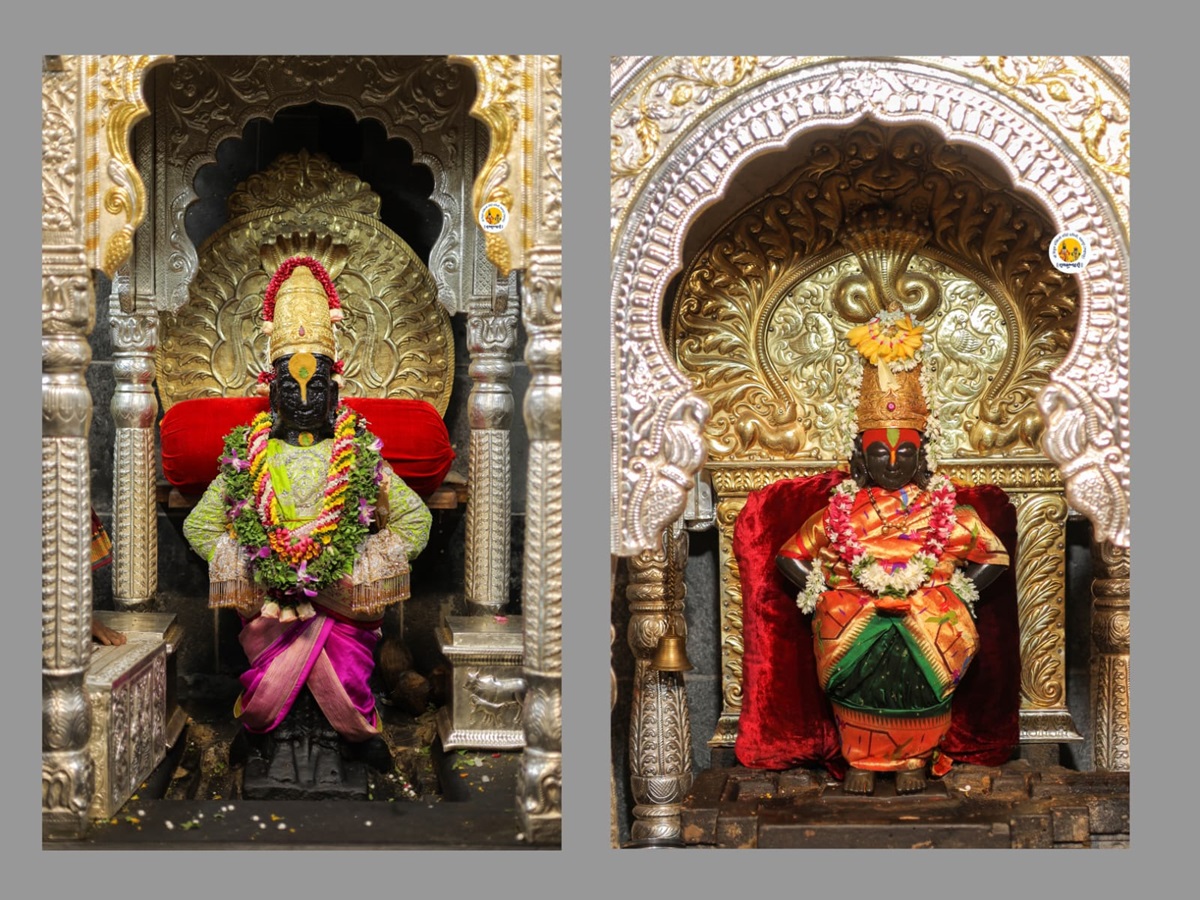
Quick Facts
- Ashadi Ekadashi marks the beginning of Chaturmasya, a four-month period of cosmic sleep for Lord Vishnu.
- The Pandharpur Wari is a 15 to 20-day pilgrimage undertaken by hundreds of thousands of Warkaris in Maharashtra.
- The Haridasa movement in Karnataka, which laid the foundation for Carnatic music, was built around devotion to Lord Vittala.
- Purandaradasa, the father of Carnatic music, composed many songs dedicated to Purandara Vittala.
- The worship of Vithoba is believed to have originated in Karnataka before spreading to Maharashtra.
- Haridasa saints used an ankita nama (pen name) in their compositions, often including the suffix "Vittala."
Ashadi Ekadashi falls on the eleventh day of the bright fortnight in the Hindu month of Ashadha. In 2026, that day is July 25. For hundreds of thousands of devotees across India, it marks the single most important day in the Vittala bhakti calendar. But what many people outside Maharashtra do not realize is that this day holds equally deep significance in Karnataka, where the Haridasa poet-saints built an entire musical tradition around the worship of Vittala.
In this article, we explore the connection between Ashadi Ekadashi, the Haridasa movement of Karnataka, and the living tradition of Dasarapada singing that artists like Medha Vidyabhushan carry forward today.
Table of Contents
- [What is Ashadi Ekadashi?](#what-is-ashadi-ekadashi)
- [The Pandharpur Wari: Walking as Worship](#the-pandharpur-wari-walking-as-worship)
- [The Legend Behind Ashadi Ekadashi](#the-legend-behind-ashadi-ekadashi)
- [The Karnataka Connection: Haridasas and Vittala](#the-karnataka-connection-haridasas-and-vittala)
- [Purandaradasa: The Man Who Sang for Purandara Vittala](#purandaradasa-the-man-who-sang-for-purandara-vittala)
- [How Ashadi Ekadashi is Observed in Karnataka](#how-ashadi-ekadashi-is-observed-in-karnataka)
- [The Spiritual Significance: Why Vittala?](#the-spiritual-significance-why-vittala)
- [The Musical Legacy: From Ekadashi to Everyday](#the-musical-legacy-from-ekadashi-to-everyday)
- [Ekadashi Observance: What Devotees Actually Do](#ekadashi-observance-what-devotees-actually-do)
- [Medha Vidyabhushan's Vittalothsava Concert](#medha-vidyabhushans-vittalothsava-concert)
- [The Broader Significance: Why This Matters Today](#the-broader-significance-why-this-matters-today)
- [The Haridasa Movement and Its Influence](#the-haridasa-movement-and-its-influence)
What is Ashadi Ekadashi?
Ashadi Ekadashi (also called Devashayani Ekadashi or Shayani Ekadashi) is the eleventh lunar day of the bright fortnight (Shukla Paksha) in the month of Ashadha. It typically falls in late June or July. On this day, Lord Vishnu is believed to enter Yoga Nidra, a state of cosmic sleep, reclining on the serpent Shesha in the Kshira Sagara (ocean of milk). He remains in this state for four months (Chaturmasya) until Prabodhini Ekadashi in the month of Kartika (October-November).
The word Ekadashi literally means "eleventh" and refers to the eleventh tithi (lunar day). Vaishnavas across India observe Ekadashi as a day of fasting and devotion, but Ashadi Ekadashi holds special status because it marks the beginning of the Chaturmasya period.
"Ashadi Ekadashi is not simply a marked date. It is the point toward which an entire spiritual practice moves, one built on devotion, walking, and the company of fellow pilgrims." - SOTC Travel Guide, 2026
The Pandharpur Wari: Walking as Worship
The most visible expression of Ashadi Ekadashi devotion is the Pandharpur Wari in Maharashtra. Hundreds of thousands of pilgrims called Warkaris walk for 15 to 20 days to reach the temple of Lord Vitthal in Pandharpur, on the banks of the Chandrabhaga (Bhima) river in Solapur district.
The two main processions carry the padukas (sacred footwear) of Maharashtra's beloved saint-poets: Sant Dnyaneshwar from Alandi and Sant Tukaram from Dehu. The pilgrims organize themselves into dindis (groups) and walk together singing abhangas (devotional hymns) without pause, through heat and rain alike.
- The tradition dates back to the 13th century and has continued unbroken for over 700 years
- Pilgrims address each other as "mauli" (mother), dissolving all distinctions of caste and class
- The Wari route passes through Pune, Jejuri, and Akluj before reaching Pandharpur on Ekadashi day
- Devotees fast through the entire day and bathe in the Chandrabhaga river before seeking darshan
"There is no class in the dindi. Everybody is called mauli. It is as though all of us have given up our identity and we have all assumed the identity of the Lord." - Nirmala Bhadane, a Warkari who has walked the route five times, speaking to Art of Living
The Legend Behind Ashadi Ekadashi
The Bhavishyottara Purana tells the story of King Mandhata, whose kingdom suffered a severe drought for three years. Despite performing many rituals and yagyas, nothing worked. Finally, Sage Angiras advised the king to observe the vrata (vow) of Devashayani Ekadashi. When the king did so, rain returned to the kingdom by the grace of Lord Vishnu.
There is also the famous story of Pundalik, the devoted son who was pressing his parents' feet when Lord Vishnu appeared before him. Not wanting to disturb his parents, Pundalik threw a brick (vit) near the Lord's feet so He could rest. Pleased with this devotion to parents, the Lord agreed to stay on earth standing on that brick. This is why Lord Vitthal is also called Vithoba, meaning "the one who stood on a brick." The temple at Pandharpur was built around this spot.
The Karnataka Connection: Haridasas and Vittala
Here is where the story takes a turn that many people miss. The worship of Vittala was not limited to Maharashtra. In Karnataka, the Haridasa movement, which produced some of the greatest composers in Indian music history, was built entirely around devotion to the same Vittala.
The Haridasa movement originated in Karnataka after Madhvacharya (1238-1317 CE) established the Dvaita school of Vedanta. His philosophical tradition inspired generations of poet-saints who expressed their devotion through song rather than scripture. These saints are called Haridasas, literally meaning "servants of Hari (Vishnu/Vittala)."
The Ankita Nama Tradition
Every Haridasa saint signed their compositions with an ankita nama (pen name) that included "Vittala" as a suffix. This was not a coincidence. It was a deliberate declaration of devotion to the same Lord Vittala of Pandharpur:
- Purandaradasa signed as "Purandara Vittala"
- Kanakadasa signed as "Kaginele Adikeshava" (another form of Vishnu)
- Vyasaraya signed as "Vyasa Vittala"
- Vadirajatirtha signed as "Hayavadana" (Vishnu as Hayagriva)
- Gopala Vittala Dasa signed as "Gopala Vittala"
- Vijaya Vittala Dasa signed as "Vijaya Vittala"
This naming convention directly links the Haridasa movement to Vittala worship and, by extension, to the spiritual significance of Ashadi Ekadashi.
Vyasaraya and the Spread of Vittala Worship
Vyasaraya (1447-1539 CE), the guru of both Purandaradasa and Kanakadasa, played a central role in spreading Vittala worship across Karnataka. He served as the rajaguru of the Vijayanagara Empire and used his influence to establish Vittala temples throughout the region. The famous Vitthala Temple at Hampi, with its iconic stone chariot and musical pillars, was built during this period.
Vyasaraya is said to have installed 732 Hanuman idols across South India, but his primary devotion was to Vittala. He composed the Nyayamruta and other philosophical works, but his lasting legacy was inspiring Purandaradasa and Kanakadasa to compose the Dasarapadas that form the foundation of Carnatic music pedagogy today.
Purandaradasa: The Man Who Sang for Purandara Vittala
Purandaradasa (1484-1564 CE) is called the Pitamaha (father) of Carnatic music. He is credited in later tradition with an extensive body of songs, though only a smaller surviving corpus can be readily studied survive today. His compositions characteristically use the ankita "Purandara Vittala" as a devotional signature.
What makes this relevant to Ashadi Ekadashi is that Purandaradasa's entire musical system was designed as a form of Vittala worship. His pedagogical framework (the sarali varisai, janti varisai, alankaras, and geetams that every Carnatic music student learns) was created so that even beginners could participate in devotion through music.
His most famous compositions are direct addresses to Vittala:
- "Jagadodharana" (in Raga Kapi) calls Vittala the "sustainer of the universe"
- "Bhagyada Lakshmi Baramma" invites Lakshmi (Vittala's consort) to bless the home
- "Venkatachala Nilayam" praises Vishnu at Tirupati
- "Indu Enage Govinda" is a personal plea to the Lord
"Purandara Dasa was the follower (dasa) of Lord Purandara Vittala. Lord Vishnu in one of his many avatars is known as the father (Pitamaha) of Carnatic music." - Karnatik.com
How Ashadi Ekadashi is Observed in Karnataka
While the Pandharpur Wari is the most dramatic expression of Ashadi Ekadashi devotion, Karnataka has its own rich traditions around this day:
Temple Celebrations in Bengaluru
Bengaluru has several Vitthal Panduranga temples where special pujas and bhajan sessions are held on Ashadi Ekadashi. The Shri Panduranga Swamy Temple and other Vitthal temples across the city see large gatherings of devotees who fast, sing abhangas and Dasarapadas, and seek darshan.
Bhajana Saptah Tradition
In coastal Karnataka, particularly around Udupi and Katapadi, the tradition of Bhajana Saptah (week-long devotional singing) is closely tied to Ekadashi observances. Groups of devotees gather for continuous singing of Vittala bhajans, often incorporating Purandaradasa and Kanakadasa compositions alongside Marathi abhangas.
Concert Performances
Many Carnatic musicians schedule special concerts on or around Ashadi Ekadashi, performing programs dedicated entirely to Vittala compositions. These concerts serve as both artistic performances and acts of devotion, keeping the Haridasa tradition alive in a contemporary format.
Medha Vidyabhushan performed a special Vittalothsava concert on July 25, 2026 (Ashadi Ekadashi) at Poornapragnya Vidyapeetha in Bengaluru. The concert featured Dasarapadas and devotional compositions celebrating Lord Vittala.
The Spiritual Significance: Why Vittala?
What is it about Vittala that inspired both the Warkari saints of Maharashtra and the Haridasa saints of Karnataka? The answer lies in the nature of Vittala worship itself.
Vittala is a form of Lord Vishnu who is depicted standing on a brick with hands on his hips, wearing fish-shaped earrings (Makara Kundala). Unlike many other forms of Vishnu that emphasize royal grandeur, Vittala is approachable. He stands waiting for his devotees. He does not sit on a throne. He is not reclining in luxury. He is simply standing, patient and accessible.
This accessibility made Vittala the perfect deity for the bhakti movements of both Maharashtra and Karnataka. The Warkari saints composed in Marathi, the language of common people, not Sanskrit. Similarly, the Haridasas composed in Kannada, making devotion accessible to everyone regardless of caste or education.
- Both traditions rejected rigid caste hierarchies in spiritual practice
- Both used music and poetry as the primary vehicle for devotion
- Both emphasized personal experience of the divine over ritualistic worship
- Both produced literature that remains alive in daily practice centuries later
The Musical Legacy: From Ekadashi to Everyday
The compositions born from Vittala devotion did not remain confined to Ekadashi observances. They became the foundation of an entire musical system:
In Carnatic Music Education
Every student of Carnatic music begins their training with Purandaradasa's exercises. The sarali varisai (basic scale exercises), alankaras (patterns), and geetams (simple songs) that form the first years of training were all composed as offerings to Purandara Vittala. This means that every Carnatic musician, whether they know it or not, begins their musical journey through the Haridasa tradition of Vittala worship.
In Concert Repertoire
Dasarapadas by Purandaradasa, Kanakadasa, and other Haridasas are standard concert repertoire for Carnatic musicians. Songs like "Bhagyada Lakshmi Baramma," "Jagadodharana," and "Baro Krishnayya" are performed at concerts throughout the year, not just on Ekadashi. You can hear Medha Vidyabhushan's rendition of Jagadodharana on YouTube.
In Popular Culture
Many Dasarapadas have crossed over into popular culture through film music and devotional albums. The melodies composed 500 years ago for Vittala worship now reach millions through Spotify, YouTube, and other streaming platforms. Medha Vidyabhushan's YouTube channel has over 10 million views, with many of her most popular videos being renditions of Haridasa compositions.
Ekadashi Observance: What Devotees Actually Do
For those who wish to observe Ashadi Ekadashi, here is what the tradition involves:
- Wake before sunrise and take a ritual bath
- Observe a complete fast (no grains, beans, or cereals; fruits and water are permitted)
- Spend the day in prayer, meditation, and singing devotional songs
- Visit a Vishnu or Vittala temple for darshan
- Stay awake through the night (jagaran) singing bhajans and reading scriptures
- Break the fast the following morning (Dwadashi) after prayer
The fast is not merely about abstaining from food. The Sanskrit word for fasting is "upavasa," which literally means "dwelling near (the divine)." The purpose is to turn the mind away from worldly concerns and toward spiritual contemplation.
Medha Vidyabhushan's Vittalothsava Concert
On July 25, 2026, Medha Vidyabhushan performed a special Vittalothsava concert at Poornapragnya Vidyapeetha in Bengaluru to celebrate Ashadi Ekadashi. The concert featured:
- Dasarapadas by Purandaradasa and Kanakadasa
- Abhangas and Vittala bhajans
- Compositions in multiple ragas celebrating different aspects of Vittala
This concert represents the living continuation of the Haridasa tradition. When a young Carnatic vocalist like Medha performs Purandaradasa's compositions on Ashadi Ekadashi, she is participating in a chain of devotion that stretches back over 500 years to the courts of Vijayanagara.
For those in Bengaluru, this is a rare opportunity to experience the connection between Ashadi Ekadashi and the Haridasa musical tradition in a live concert setting.
The Broader Significance: Why This Matters Today
In a world of streaming algorithms and viral reels, the fact that compositions written for Vittala in the 15th and 16th centuries still move audiences today says something important about the power of devotional music. The Haridasa tradition did not survive because it was preserved in museums. It survived because each generation found new meaning in these songs and new ways to share them.
Devotional music and mental peace are deeply connected, and the tradition of Ekadashi observance, with its emphasis on fasting, singing, and contemplation, offers a structured way to experience that connection. Whether you are a practicing devotee or simply someone who appreciates beautiful music, the Haridasa tradition has something to offer.
The next time you hear a Carnatic musician sing "Purandara Vittala" at the end of a composition, remember that those two words carry the weight of 500 years of devotion, a tradition that connects the banks of the Chandrabhaga in Pandharpur to the concert halls of Bengaluru, and the ancient observance of Ashadi Ekadashi to the living practice of Carnatic music today.
Frequently Asked Questions
What is the date of Ashadi Ekadashi in 2026?
Ashadi Ekadashi 2026 falls on Saturday, July 25. The Ekadashi Tithi begins at 9:12 AM on July 24 and ends at 11:34 AM on July 25. Devotees typically observe the fast from sunrise on July 25 and break it the following morning on Dwadashi (July 26) between 5:58 AM and 10:28 AM.
What is the connection between Ashadi Ekadashi and Carnatic music?
The Haridasa saints of Karnataka, who laid the foundation of Carnatic music, were devoted to Lord Vittala, the same deity worshipped on Ashadi Ekadashi. Purandaradasa, the father of Carnatic music, signed all his compositions as "Purandara Vittala." The entire pedagogical system of Carnatic music was created as a form of Vittala worship, making every Carnatic music student an indirect participant in this devotional tradition.
Why is Lord Vittala important to the Haridasa movement?
Vittala is a form of Lord Vishnu who stands on a brick at Pandharpur, waiting for his devotees. The Haridasas chose Vittala because he represents an accessible, approachable form of the divine. Their ankita namas (pen names) all include "Vittala" as a suffix, declaring their complete devotion. This choice connected the Karnataka Haridasa tradition to the broader Vittala bhakti movement across western and southern India.
How is Ashadi Ekadashi celebrated in Karnataka?
In Karnataka, Ashadi Ekadashi is observed through temple visits, special pujas at Vitthal Panduranga temples (particularly in Bengaluru), Bhajana Saptah (week-long devotional singing sessions) in coastal Karnataka, and special Carnatic music concerts featuring Dasarapadas and Vittala compositions. Many musicians perform dedicated Vittalothsava concerts on this day.
What is the Pandharpur Wari?
The Pandharpur Wari is an annual pilgrimage where hundreds of thousands of devotees (called Warkaris) walk for 15-20 days from Dehu and Alandi to the Vitthal temple in Pandharpur, Maharashtra. They carry the padukas (sacred footwear) of saint-poets like Tukaram and Dnyaneshwar, singing abhangas continuously. The Wari culminates on Ashadi Ekadashi when pilgrims reach Pandharpur for darshan.
The Haridasa Movement and Its Influence
The Haridasa movement, which originated in the 13th and 14th centuries CE prior to the Vijayanagara empire, was instrumental in shaping the devotional landscape of South India. The movement was divided into two main groups: the Dasakuta, who conveyed complex philosophy in simple Kannada, and the Vyasakuta, who were proficient in the Vedas and Upanishads. Both groups shared a profound devotion to Vitthala, a manifestation of Lord Vishnu.
The movement was influenced by earlier spiritual traditions, such as the Veerashaiva movement led by Basavanna in the 12th century and the Alvar saints of Tamil Nadu in the 10th century. In turn, the Haridasa tradition influenced later spiritual leaders like Vallabhacharya in Gujarat and Chaitanya Mahaprabhu in Bengal, whose teachings eventually led to the formation of ISKCON.
The "great trinity of Vaishnava composers" includes Sripadaraya, Purandaradasa, and Kanakadasa. These saints composed a variety of musical forms, including Padagalu, Kriti, Ugabhoga, Suladi, Vruttanama, Dandaka, Tripadi, Pattadi, Sangathya, and Ragale. Their compositions, known as Dasarapadas, remain a vital part of the Carnatic music repertoire today.
The Ankita Nama Tradition
A unique feature of the Haridasa compositions is the use of an ankita nama, or pen name, which often included the suffix "Vittala." This practice was a deliberate declaration of devotion to Lord Vittala of Pandharpur. Here is a quick comparison - the table lists some of the prominent Haridasa saints and their respective ankita namas:
| Haridasa Saint | Ankita Nama |
|---|---|
| Purandara Dasa | Purandara Vittala |
| Kanaka Dasa | Kaginele Adikeshava |
| Vijaya Dasa | Vijaya Vittala |
| Jagannatha Dasa | Jagannatha Vittala |
| Vadirajatirtha | Hayavadana |
| Gopala Dasa | Gopala Vittala |
This naming convention highlights the deep connection between the Haridasa movement and the worship of Vittala, further emphasizing the spiritual significance of Ashadi Ekadashi in Karnataka.
The Origins of Vithoba Worship
While Pandharpur in Maharashtra is the most famous center of Vithoba worship today, historical evidence suggests that the cult of Vithoba may have originated in Karnataka before spreading to Maharashtra. According to scholar Sharma, the worship of Vithoba first emerged in Karnataka, and the cult spans peninsular India across both states.
Pandharpur, located on the banks of the Bhima river, changed hands between various polities over the centuries, eventually becoming a major center of worship for devotees from both Maharashtra and Karnataka. The shared devotion to Vithoba bridges the cultural and linguistic divide between the two states, uniting millions of devotees in their spiritual journey.
Published by Medha Naada
This guide is published by Medha Naada, Medha Vidyabhushan's official portfolio. It combines the credited sources below with plain-language listening or learning prompts. Historical details, song credits, and public records are limited to the cited material.
A written guide can support listening and preparation, but a qualified teacher remains the right source for personal vocal technique, pronunciation feedback, or repertoire decisions.
How this guide is supported
This festival guide connects the article’s Haridasa perspective to the wider Pandharpur pilgrimage tradition. The official temple source supports the Ashadhi Yatra context; devotional interpretation is editorial.
- Sacred Yatras of Pandharpur. Shri Vitthal Rukmini Mandir Committee, Pandharpur. Ashadhi Yatra, Varkari gathering, Dindis, and the Pandharpur Vitthal worship context.
- Pandharpur. Directorate of Tourism, Government of Maharashtra. Ashadhi Ekadashi, the Pandharpur Wari pilgrimage, and the tradition of devotees singing abhangas on the journey.