Song Meaning · 2026-07-28 · 14 min read
Laali Govinda Laali: Meaning, History, and the Krishna Lullaby Tradition in Carnatic Music
Discover the meaning and history of Laali Govinda Laali, a traditional Carnatic Krishna lullaby by Sri Padarajaru, beautifully sung by Medha Vidyabhushan.
Quick Facts
- "Laali Govinda Laali" is a traditional Carnatic lullaby composed by the 15th-century saint Sri Padarajaru.
- The song is an expression of Vatsalya Bhava, the unconditional love of a parent for a child, directed towards Lord Krishna.
- The lyrics ingeniously weave the story of the Dashavataara (the ten incarnations of Lord Vishnu) into a soothing lullaby.
- Sri Padarajaru was a pioneer of the Haridasa movement, which democratized spiritual knowledge through simple Kannada poetry.
- Lullabies in Carnatic music are typically set to ragas like Neelambari and Anandabhairavi, known for their calming and sleep-inducing effects.
- A contemporary rendition by Medha Vidyabhushan, arranged by Dr. Vidyabhushana, has gained significant popularity on digital platforms.
Laali Govinda Laali: Meaning, History, and the Krishna Lullaby Tradition in Carnatic Music
Table of Contents
- [Introduction](#introduction)
- [The Tradition of Lullabies (Laali) in Hindu Devotion](#the-tradition-of-lullabies-laali-in-hindu-devotion)
- [Sri Padarajaru and the Haridasa Movement](#sri-padarajaru-and-the-haridasa-movement)
- [Meaning and Lyrics: The Dashavataara in a Lullaby](#meaning-and-lyrics-the-dashavataara-in-a-lullaby)
- [Musical Composition: Raga, Tala, and Arrangement](#musical-composition-raga-tala-and-arrangement)
- [Medha Vidyabhushan's Rendition and ISKCON Collaboration](#medha-vidyabhushans-rendition-and-iskcon-collaboration)
- [Modern Relevance and Digital Platforms](#modern-relevance-and-digital-platforms)
- [The Haridasa Lineage and the Ankita Nama Tradition](#the-haridasa-lineage-and-the-ankita-nama-tradition)
Introduction
In the vast and spiritually rich landscape of Indian classical music, few forms of expression are as tender, intimate, and deeply moving as the Laali or lullaby. Among the many beautiful compositions dedicated to the divine, "Laali Govinda Laali" stands out as a masterpiece of devotion, poetry, and musicality. This enchanting lullaby, addressed to Lord Krishna, is not merely a song to soothe a child to sleep; it is a profound spiritual narrative that encapsulates the grandeur of the divine within the intimate framework of a mother's love.
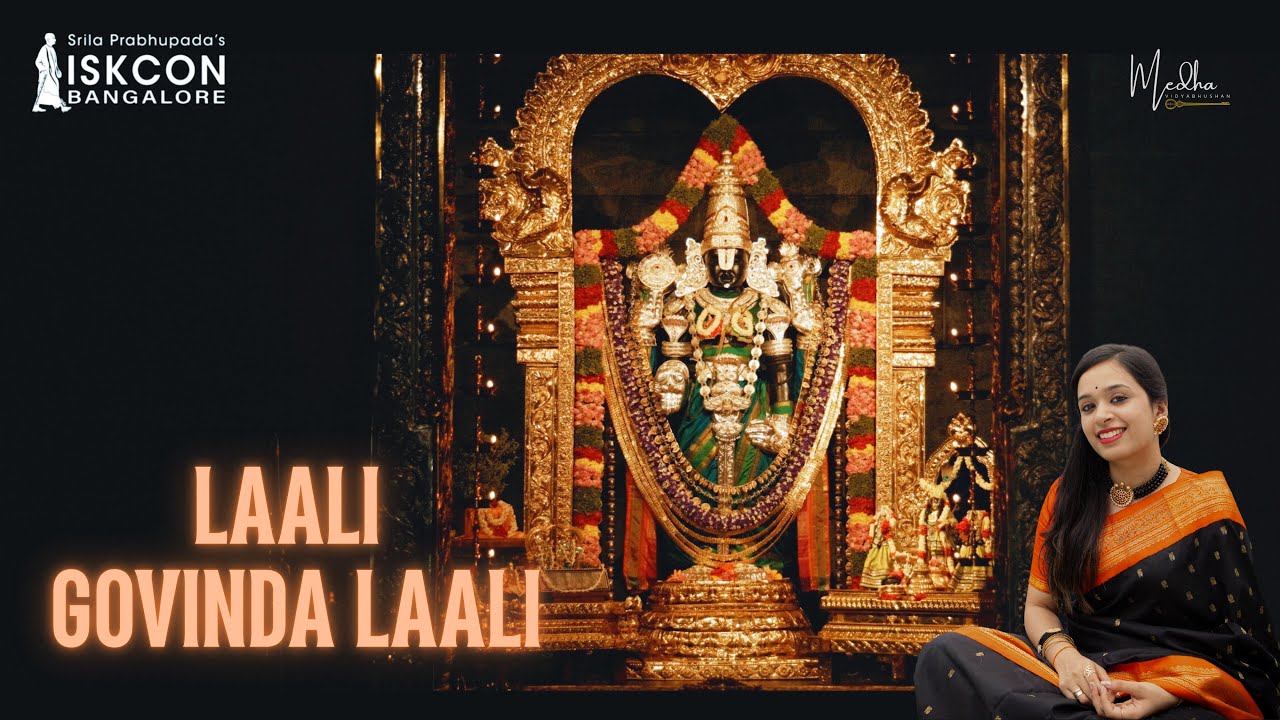
Written by the revered Haridasa saint Sri Padarajaru, "Laali Govinda Laali" has been cherished for centuries by practitioners of classical music and devotees alike. Recently, it has found a renewed resonance through a beautiful, contemporary rendition sung by Medha Vidyabhushan, with music composed and arranged by the legendary Carnatic vocalist Dr. Vidyabhushana. Released on the auspicious occasion of Krishna Janmashtami, this rendition, featuring a special collaboration with ISKCON Bangalore, has touched the hearts of thousands, garnering over 129,000 views on YouTube.
In this comprehensive article, we will explore the deep meaning, historical context, and musical brilliance of "Laali Govinda Laali," while delving into the broader tradition of Krishna lullabies in Carnatic music. We will also examine how ancient texts continue to find relevance in the modern digital age.
The Tradition of Lullabies (Laali) in Hindu Devotion
To truly understand the significance of "Laali Govinda Laali," one must first appreciate the unique place that lullabies hold in Hindu devotional practices. In the Bhakti (devotion) tradition, devotees approach the divine through various emotional attitudes or bhavas. One of the most profound and accessible of these is Vatsalya Bhava -the pure, unconditional love of a parent for a child.
"Vatsalya Bhava allows the devotee to experience the divine not as a distant, awe-inspiring creator, but as an intimate, vulnerable, and deeply loved child. It transforms the supreme cosmic power into an accessible, personal reality, bridging the gap between the mortal and the immortal."
In this tradition, Lord Krishna is often worshipped in his infant form, known as Bala Krishna or Santana Gopala. Devotees, particularly in South India, sing Laali (lullabies) to put the deity to sleep during the Ekantha Seva (the final ritual of the day in Hindu temples). These songs are characterized by their soothing melodies, gentle rhythms, and lyrics that express boundless affection and protective care.
The tradition of singing lullabies to deities is a hallmark of Carnatic music. Composers have historically used specific ragas, such as Neelambari, Anandabhairavi, and Kurinji, which are believed to have a naturally calming and sleep-inducing effect. The slow, swaying tempo of these compositions mimics the physical act of rocking a cradle. While exploring the emotional depth of ragas, one might also look at how other melodies evoke specific moods, much like how Raga Kapi is explained for its evocative and romantic nuances. The Laali tradition is a testament to the idea that God can be nurtured, loved, and cared for, just like a human child.
Sri Padarajaru and the Haridasa Movement
The lyrics of "Laali Govinda Laali" were penned by Sri Padarajaru, a towering figure in the spiritual and cultural history of Karnataka. Born in the 15th century, Sri Padarajaru is widely regarded as one of the pioneers of the Haridasa movement in Karnataka's history.
The Haridasas (literally translating to 'servants of Lord Hari or Vishnu') were mystic saints who propagated the Bhakti movement through their soulful music and accessible poetry. They composed many devotional songs known as Dasarapadas, which translated complex philosophical concepts from Sanskrit into simple, colloquial Kannada. This democratization of spiritual knowledge made it accessible to the common people, breaking down barriers of caste and education.
Sri Padarajaru's contributions laid the foundational bedrock for future musical giants. He was the spiritual guru of Sri Vyasaraja, who in turn mentored the legendary Purandaradasa, often called the father of Carnatic music, and Kanakadasa, known for his profound life, compositions, and legacy. Another prominent figure in this illustrious lineage was Sri Vadirajatirtha; you can learn more about Vadirajaru's compositions, life, and legacy to understand the depth and breadth of this tradition.
In "Laali Govinda Laali," Sri Padarajaru demonstrates his extraordinary ability to blend deep theological truths with simple, emotive poetry. The song is a perfect example of how the Haridasas used everyday human experiences -like a mother singing her child to sleep -as a vehicle for profound spiritual instruction. His use of the Kannada language is both poetic and deeply rhythmic, perfectly suited for musical adaptation.
Meaning and Lyrics: The Dashavataara in a Lullaby
At first glance, "Laali Govinda Laali" is a simple, affectionate lullaby sung to baby Krishna. However, a closer examination of the lyrics reveals a magnificent and expansive narrative structure. Sri Padarajaru ingeniously weaves the story of the Dashavataara -the ten principal incarnations of Lord Vishnu -into the verses of the song.
As the mother (representing Yashoda, or the devotee) rocks the cradle, she recounts the epic deeds of the supreme lord who now rests as a tiny, helpless infant in her arms. This striking contrast between the cosmic majesty of Vishnu and the innocent vulnerability of baby Krishna is a recurring and beloved theme in Haridasa poetry. It serves to remind the listener that the ultimate power of the universe is also the source of ultimate love.
The Ten Incarnations Described
- Matsya (The Fish): The lullaby often begins by recalling how the Lord took the form of a giant fish to save the sacred Vedas and humanity from the great cosmic deluge, ensuring the continuity of knowledge.
- Kurma (The Tortoise): It recounts how He became a massive tortoise to support Mount Mandara on his back during the churning of the ocean of milk (Samudra Manthan), helping the gods obtain the nectar of immortality.
- Varaha (The Boar): The verses praise the Lord who assumed the form of a mighty boar to rescue the earth goddess, Bhudevi, from the dark depths of the cosmic ocean, defeating the demon Hiranyaksha.
- Narasimha (The Half-Man, Half-Lion): The mother sings of the fierce protector who emerged from a pillar to save his young, unwavering devotee, Prahlada, from his tyrannical father.
- Vamana (The Dwarf): Through this song, we hear about the clever dwarf Brahmin who humbled the arrogant demon king Bali, reclaiming the three worlds with just three cosmic steps.
- Parashurama (The Warrior with an Axe): It touches upon the fierce warrior who rid the earth of corrupt and oppressive rulers, restoring dharma and justice.
- Rama (The Ideal King): The lullaby lovingly mentions Lord Rama, the hero of the Ramayana, known for his unwavering adherence to dharma (righteousness) and his defeat of the demon king Ravana.
- Krishna (The Divine Statesman): The mother sings to Krishna about his own future deeds -destroying demons, guiding the Pandavas in the Mahabharata, and delivering the supreme wisdom of the Bhagavad Gita.
- Buddha (The Enlightened One): Acknowledging the incarnation of compassion, meditation, and non-violence.
- Kalki (The Future Avatar): Finally, the song anticipates the arrival of Kalki, the warrior on a white horse who will end the current age of darkness (Kali Yuga) and usher in a new era of truth.
By singing the Dashavataara as a lullaby, Sri Padarajaru suggests that remembering the Lord's protective nature brings ultimate peace and security. It allows both the child and the devotee to rest without fear, knowing that the protector of the universe is ever-present. This thematic depth is similar to other profound devotional works, such as the Marathi abhang Kanada Raja Pandharicha or the soothing Toogire Rayara, which also uses the cradle motif to express devotion to Sri Raghavendra Swamy. For those interested in the latter, a pilgrimage guide to Mantralayam offers a deeper dive into that specific devotional culture.
Musical Composition: Raga, Tala, and Arrangement
The emotional impact of "Laali Govinda Laali" is significantly amplified by its musical setting. In the traditional Carnatic framework, lullabies are meticulously set to ragas that evoke Shanta (peace), Karuna (compassion), and Vatsalya (parental love).
In the contemporary rendition that has captured the hearts of modern audiences, the musical arrangement was masterfully crafted by Dr. Vidyabhushana, a name synonymous with devotional Carnatic music. Dr. Vidyabhushana, with his deep, scholarly understanding of the Haridasa sahitya (literature), arranged the composition in a way that honors its classical, centuries-old roots while making it sonically accessible and appealing to today's listeners.
The rhythm (Tala) of a lullaby is typically slow, steady, and swaying, mimicking the gentle, rhythmic rocking of a wooden cradle. The arrangement utilizes traditional Indian instruments like the bamboo flute (bansuri), the veena, and soft percussions like the mridangam or tabla, creating an ethereal and meditative atmosphere. The music is deliberately designed not to overpower the lyrics; rather, it serves as a gentle, flowing current that carries the profound meaning of Sri Padarajaru's words straight to the listener's soul. The orchestration builds a soundscape of tranquility, inviting the listener to close their eyes and experience the divine presence.
Medha Vidyabhushan's Rendition and ISKCON Collaboration
The timeless appeal of "Laali Govinda Laali" was beautifully showcased in a recent, highly acclaimed release by Medha Vidyabhushan. As a versatile Carnatic vocalist, playback singer, and actress hailing from Bengaluru, India, Medha brings a unique blend of rigorous classical training and contemporary aesthetic sensibility to her music. Being the daughter of the esteemed Dr. Vidyabhushana, she has inherited a profound legacy of devotional music, which is radiantly evident in her soulful, pitch-perfect singing.
Released on the highly auspicious occasion of Krishna Janmashtami -the vibrant global celebration of Lord Krishna's birth -Medha's rendition of "Laali Govinda Laali" quickly resonated with a vast audience. The music video, which features a special and visually stunning collaboration with ISKCON Bangalore, beautifully captures the festive, joyous, and deeply devotional spirit of Janmashtami.
"Medha Vidyabhushan's voice carries the perfect blend of classical rigor and tender devotion, making her rendition of 'Laali Govinda Laali' a deeply immersive spiritual experience that transcends mere musical performance."
The video has garnered over 129,000 views on YouTube (Video ID: LYrERkOTlYQ), a testament to the song's enduring charm and Medha's captivating vocal delivery. The visual elements of the video, featuring the magnificent deities of ISKCON Bangalore, combined with the pristine audio production, transport the viewer directly into the sanctum of devotion. You can explore more of her beautiful renditions, discover her diverse musical portfolio, and support her artistic journey by visiting Medha Vidyabhushan's official YouTube channel.
Modern Relevance and Digital Platforms
In an era characterized by rapid technological advancement, fleeting attention spans, and fast-paced lifestyles, one might wonder about the relevance of a 15th-century lullaby. However, the resounding success of Medha Vidyabhushan's "Laali Govinda Laali" on digital platforms proves that the human soul's yearning for peace, devotion, and cultural connection remains fundamentally unchanged.
Digital platforms like YouTube, Spotify, and various social media channels have effectively become the new mantapas (cultural halls) where traditional music is shared, preserved, and celebrated. They allow ancient compositions to transcend geographical boundaries, reaching diaspora communities across the globe and international audiences who seek solace in spiritual music.
For younger generations, these high-quality digital renditions serve as a vital, engaging bridge to their cultural heritage. A beautifully produced video on YouTube can introduce a teenager to the intricate poetry of Sri Padarajaru, the philosophical concept of the Dashavataara, and the rich, complex tradition of Carnatic music. It demonstrates that classical arts are not static museum pieces but living, breathing traditions that can adapt to new mediums while retaining their core sanctity and purpose.
Furthermore, the therapeutic value of such music cannot be overstated. In a modern world often filled with stress, noise, and anxiety, the soothing cadence of a Laali offers a much-needed auditory sanctuary. It reminds us of the universal power of a mother's love, the comforting embrace of the divine, and the profound peace that comes from spiritual surrender. Through artists like Medha Vidyabhushan, these ancient melodies continue to heal, inspire, and elevate the human spirit in the 21st century.
Frequently Asked Questions
1. Who wrote the original lyrics for "Laali Govinda Laali"?
The lyrics for "Laali Govinda Laali" were written by Sri Padarajaru, a highly revered 15th-century saint, philosopher, and a pioneering figure in the Haridasa movement of Karnataka. His compositions laid the groundwork for future Carnatic music legends.
2. What is the main theme of "Laali Govinda Laali"?
While it functions as a soothing lullaby (Laali) sung to put baby Krishna to sleep, the song's deeper thematic core is the recounting of the Dashavataara -the ten principal incarnations of Lord Vishnu. It beautifully and poetically contrasts the supreme, universe-altering power of the divine with the innocent, relatable vulnerability of an infant.
3. Who composed the music for Medha Vidyabhushan's rendition?
The music for Medha Vidyabhushan's popular and widely viewed rendition of the song was composed and meticulously arranged by her father, the renowned Carnatic vocalist and scholar Dr. Vidyabhushana, ensuring a perfect blend of tradition and modern acoustic quality.
4. Why does releasing the song on Krishna Janmashtami?
Krishna Janmashtami is the vibrant Hindu festival that celebrates the birth of Lord Krishna. Releasing a lullaby dedicated to baby Krishna on this specific day is considered highly auspicious and aligns perfectly with the traditional devotional practices of welcoming, celebrating, and nurturing the divine infant.
5. Where can I listen to Medha Vidyabhushan's version of the song?
You can listen to her beautiful rendition, which features a special visual collaboration with ISKCON Bangalore, on her official YouTube channel. You can find the video and subscribe for more classical and devotional music at youtube.com/@medhavidyabhushanofficial.
The Haridasa Lineage and the Ankita Nama Tradition
Sri Padarajaru, the composer of "Laali Govinda Laali," was a pivotal figure in the Haridasa movement. This movement, which originated in the 13th and 14th centuries, was instrumental in bringing complex philosophical concepts to the masses through simple Kannada poetry. The Haridasas were devoted to Lord Vitthala, a manifestation of Vishnu, and their compositions often reflected this deep devotion.
A unique feature of Haridasa compositions is the use of an Ankita Nama or pen name, which is typically embedded in the final stanza of the song. This signature not only identifies the composer but also serves as a dedication to their chosen deity. Sri Padarajaru's contributions paved the way for the "great trinity of Vaishnava composers," which included Purandaradasa, the father of Carnatic music, and Kanakadasa, known for his profound life, compositions, and legacy.
Here is a comparison of some prominent Haridasa saints and their respective Ankita Namas:
| Haridasa Saint | Ankita Nama (Pen Name) |
|---|---|
| Purandara Dasa | Purandara Vittala |
| Kanaka Dasa | Kaginele Adikeshava |
| Vijaya Dasa | Vijaya Vittala |
| Jagannatha Dasa | Jagannatha Vittala |
| Vadirajatirtha | Hayavadana |
| Gopala Dasa | Gopala Vittala |
The legacy of the Haridasas, including their use of Ankita Namas, continues to be a vital part of Carnatic music, preserving the spiritual and cultural heritage of Karnataka for future generations.
Published by Medha Naada
This guide is published by Medha Naada, Medha Vidyabhushan's official portfolio. It combines the credited sources below with plain-language listening or learning prompts. Historical details, song credits, and public records are limited to the cited material.
A written guide can support listening and preparation, but a qualified teacher remains the right source for personal vocal technique, pronunciation feedback, or repertoire decisions.
How this guide is supported
This source note supports the traditional lyric, musical attribution, and portfolio recording context. Its explanation of lullaby imagery is editorial and does not claim an exhaustive historical edition.
- lAli gOvinda lAli. Lakshman Ragde. Lyric reference, Anandabhairavi setting, and Shripadaraya attribution.
- Laali Govinda Laali official performance. Medha Vidyabhushan Official. First-party recording context for the performance featured on this portfolio.